
Most people who get in touch with me have already been thinking about it for months. The website photographs are out of date, the team has changed, and every time someone needs an image for a pitch or a LinkedIn post, they end up back at the same three shots they've been using for years.
They know something needs to change. They just aren't quite sure how it all works - what the day looks like, how much of their time it takes, or whether their team will actually be alright with it. So here’s a straightforward walk-through of what happens when you work with me, from the first conversation to the finished library.
The parts most people worry about
I hear it often: ‘We're nearly ready, we just need to get a few things sorted first.’ A cleaner office, a clearer brief, a team who are fully on board. So the booking gets pushed back, and the five-year-old website photographs carry on doing their damage.
Working out what you need - where the business is now, where it's heading, and where the imagery will actually be used - is my job. By the end of a Brand Story Audit call, most people have a much clearer picture than they expected. What started as ‘we probably need some new photographs’ usually becomes a specific, practical brief with a shot list, a timeline, and a much better sense of what the day will actually look like.
So if you've been waiting until everything feels perfectly in place, consider this your permission to get in touch before that moment arrives.
What happens on the day
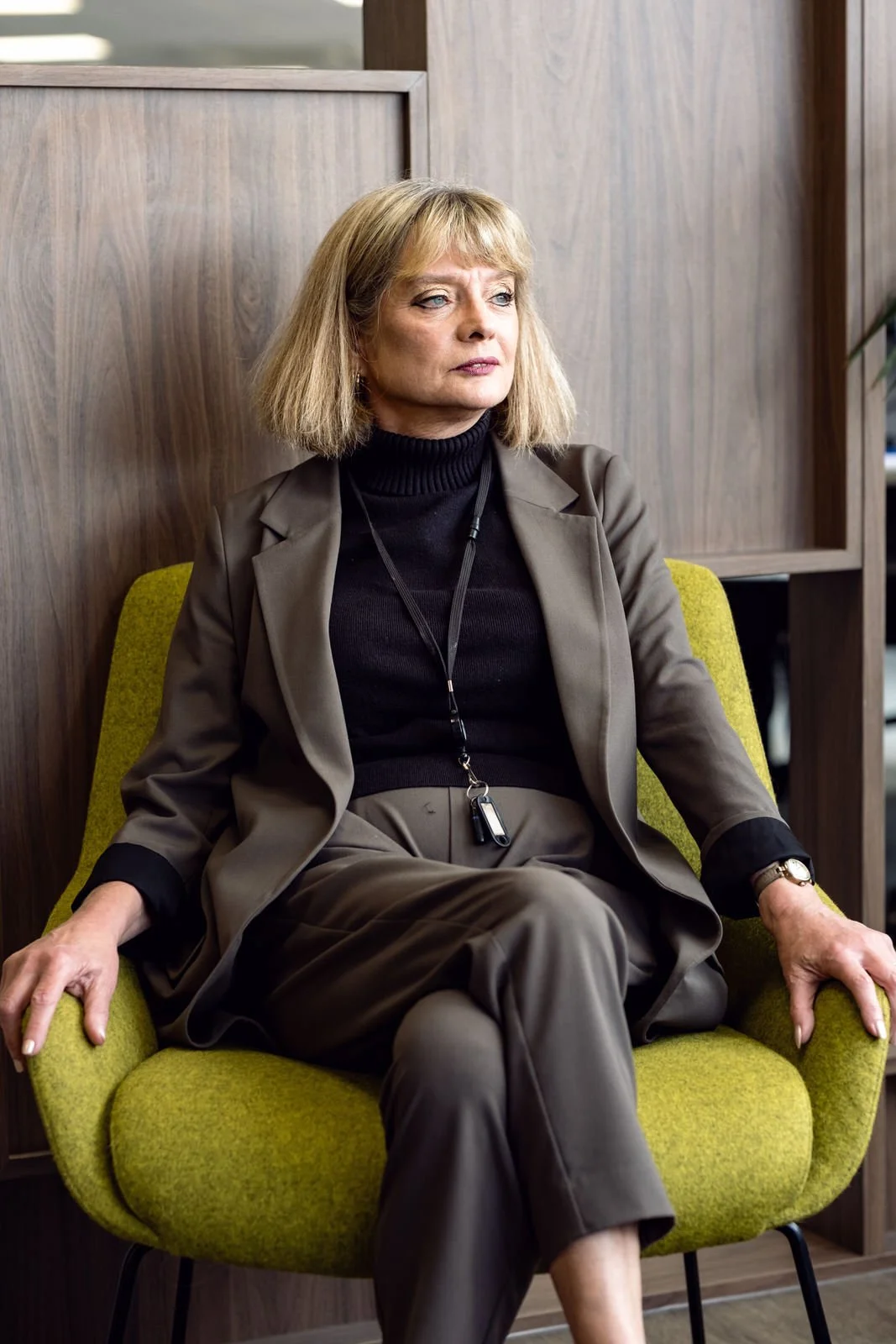
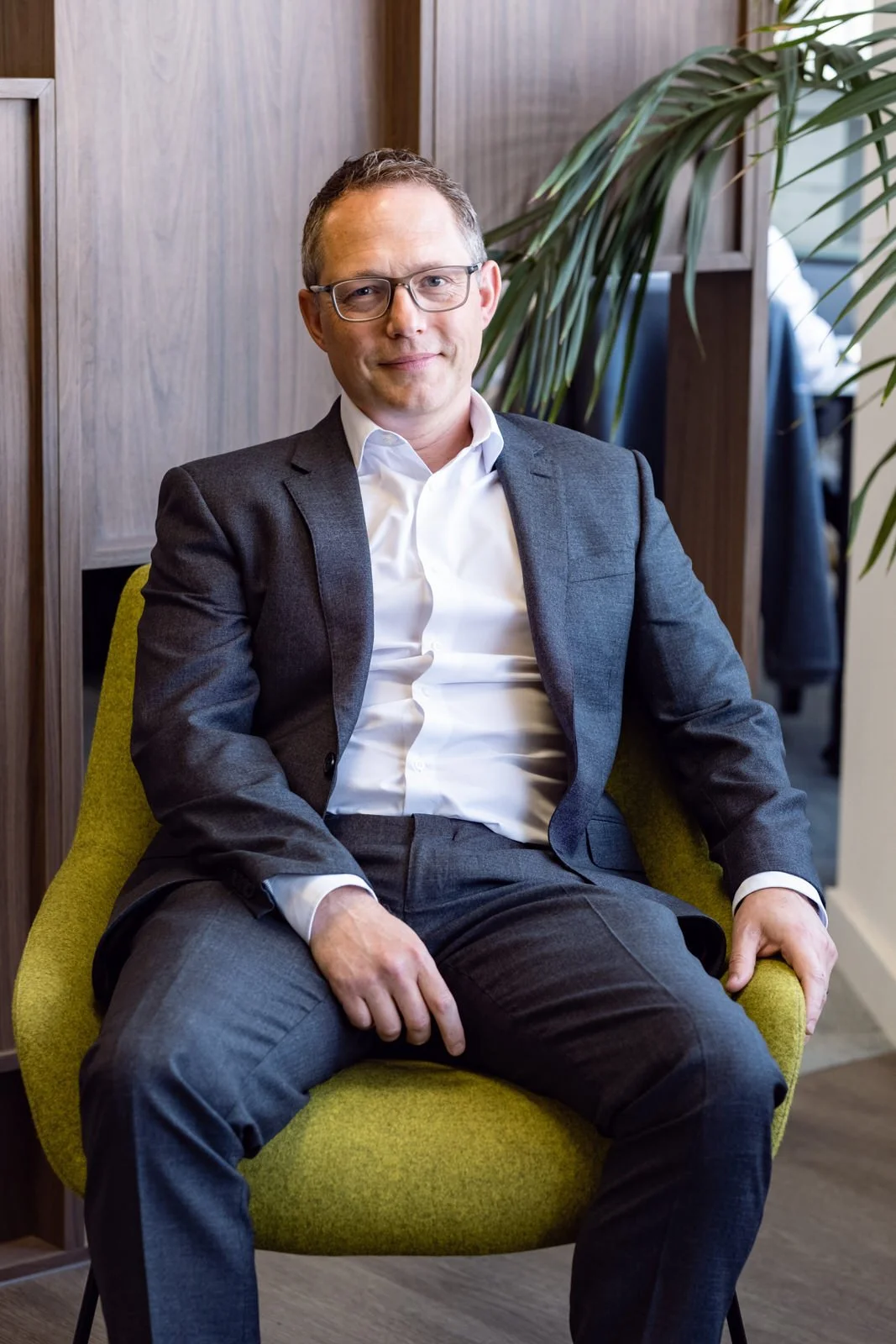
I photographed an engineering consultancy recently - we're building up a large image library for their new UK website to become more in line with the global brand and I’ve visited twice now.
When I arrived the first time, people were a little unsure about the whole thing. One person thought the headshots might take an hour each, there was a low-level nervousness you get when a camera appears in a working environment, which is perfectly normal.
After the first few minutes, everything was different.
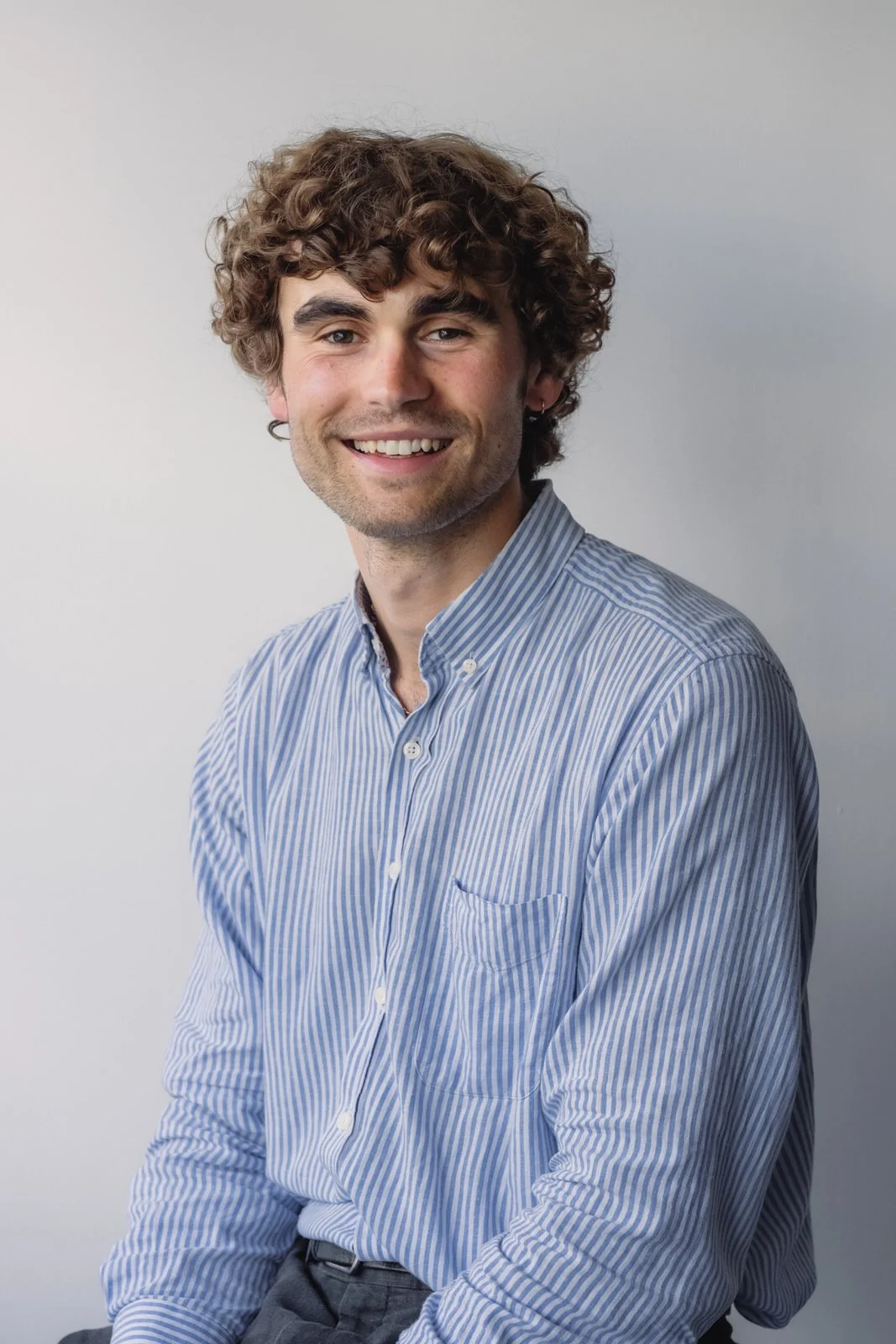
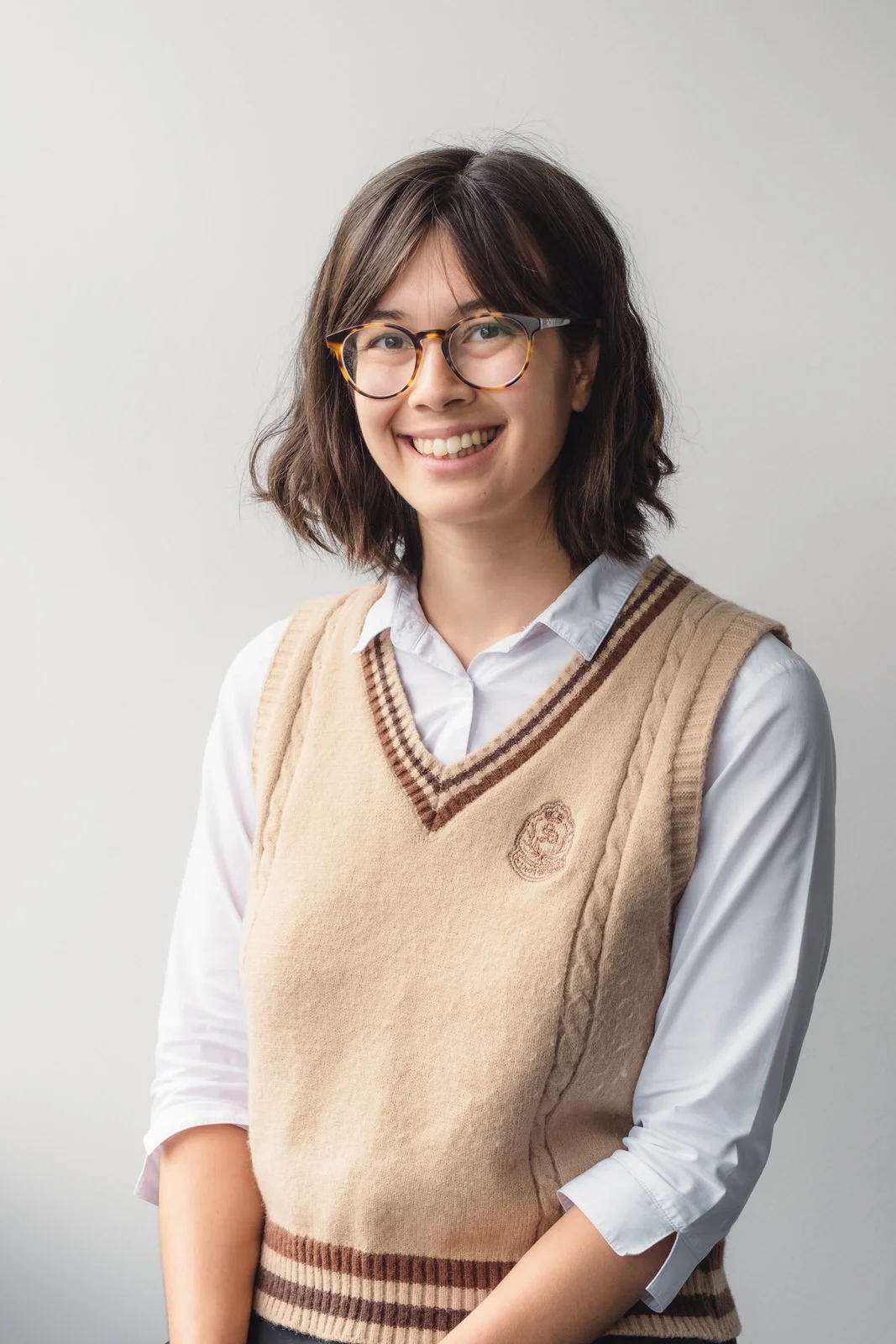
We worked through the headshots in just a morning - taken against a white wall beside a window, using natural light, and consistent with the images we'd made together on my first visit.
The marketing manager was relieved at how smoothly it went, staff were actually enjoying it rather than running off in the opposite direction like usual, and offering to help. New recruits, people who had moved into client-facing roles, a few who hadn't been captured the first time around - all done before lunch.
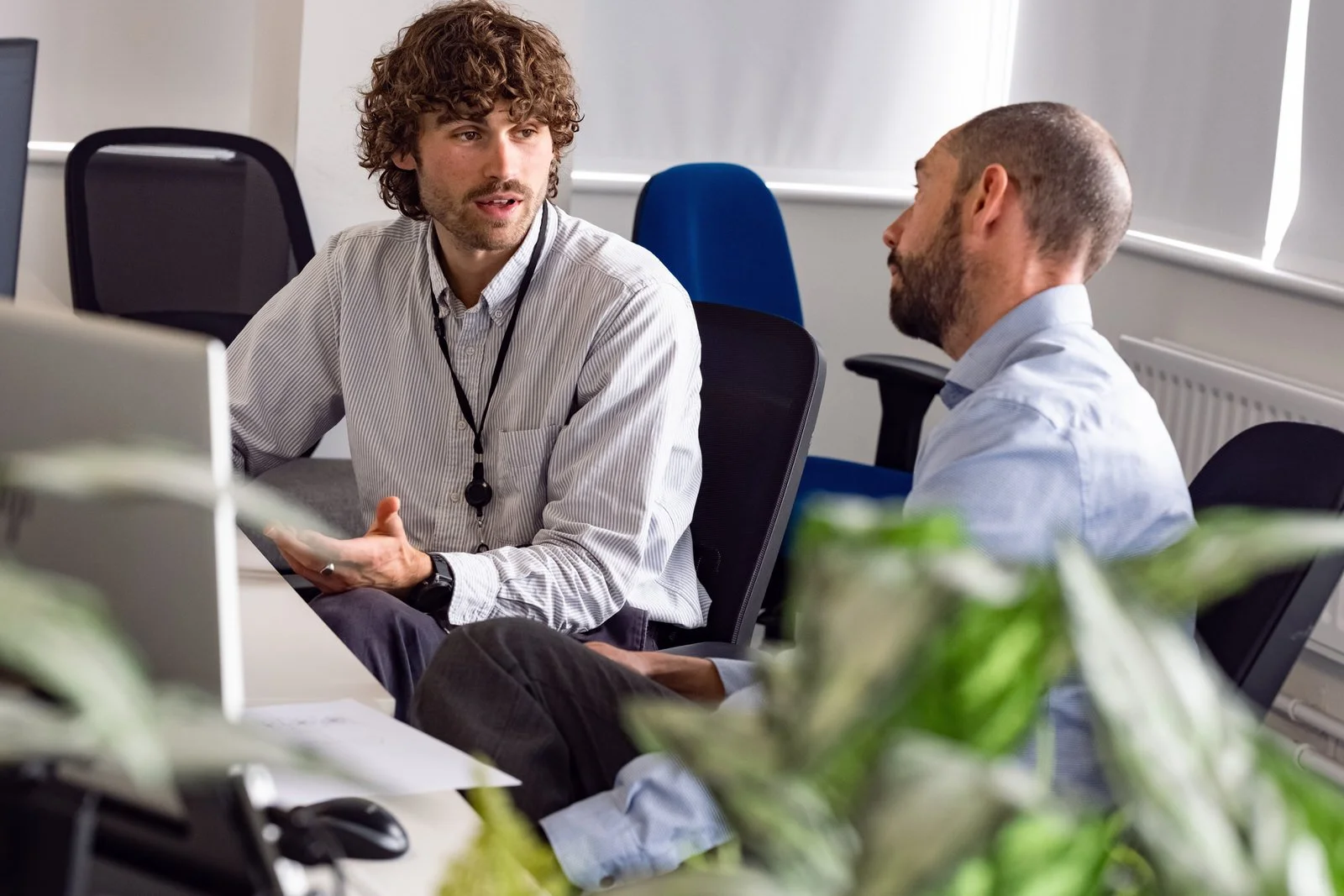
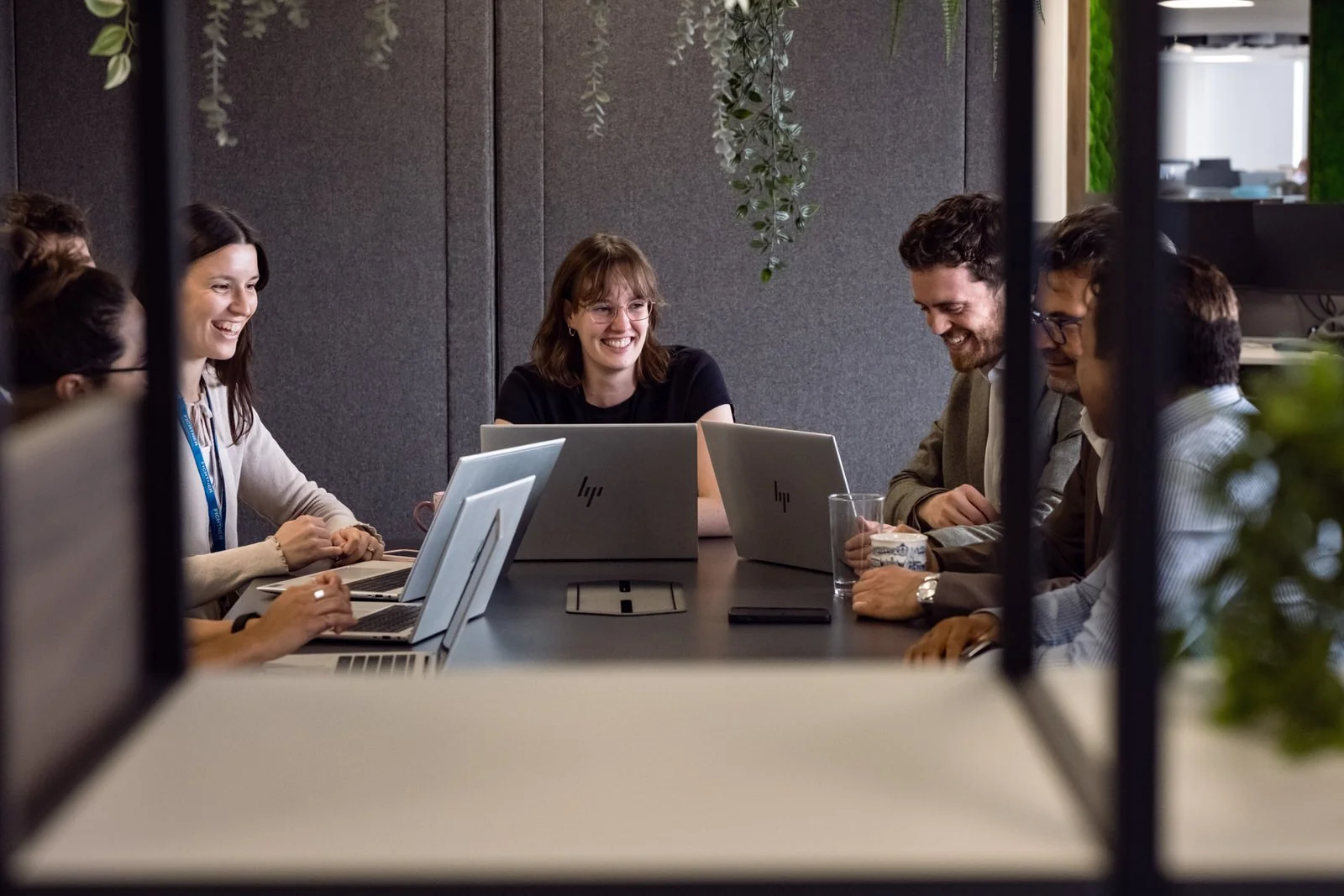
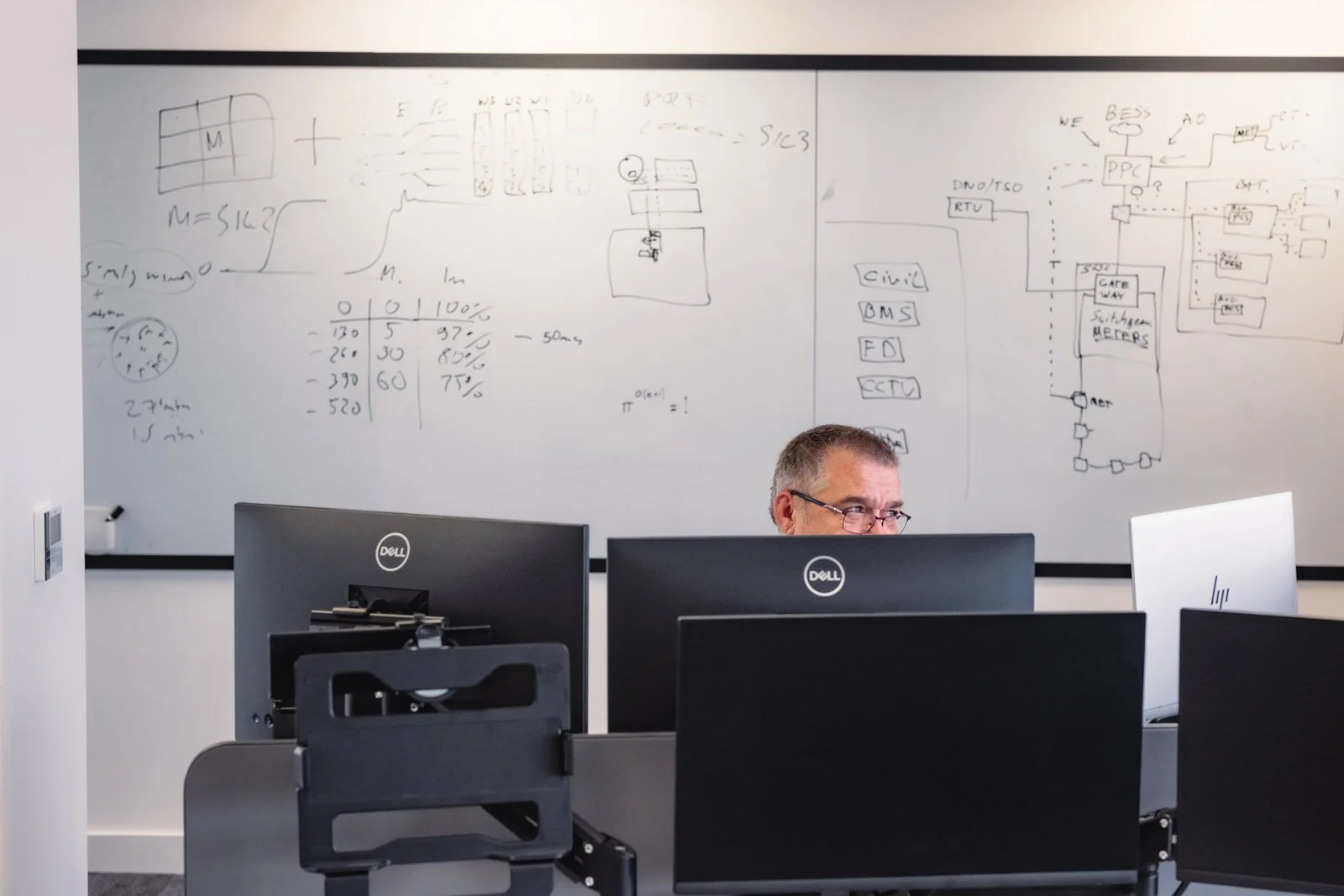
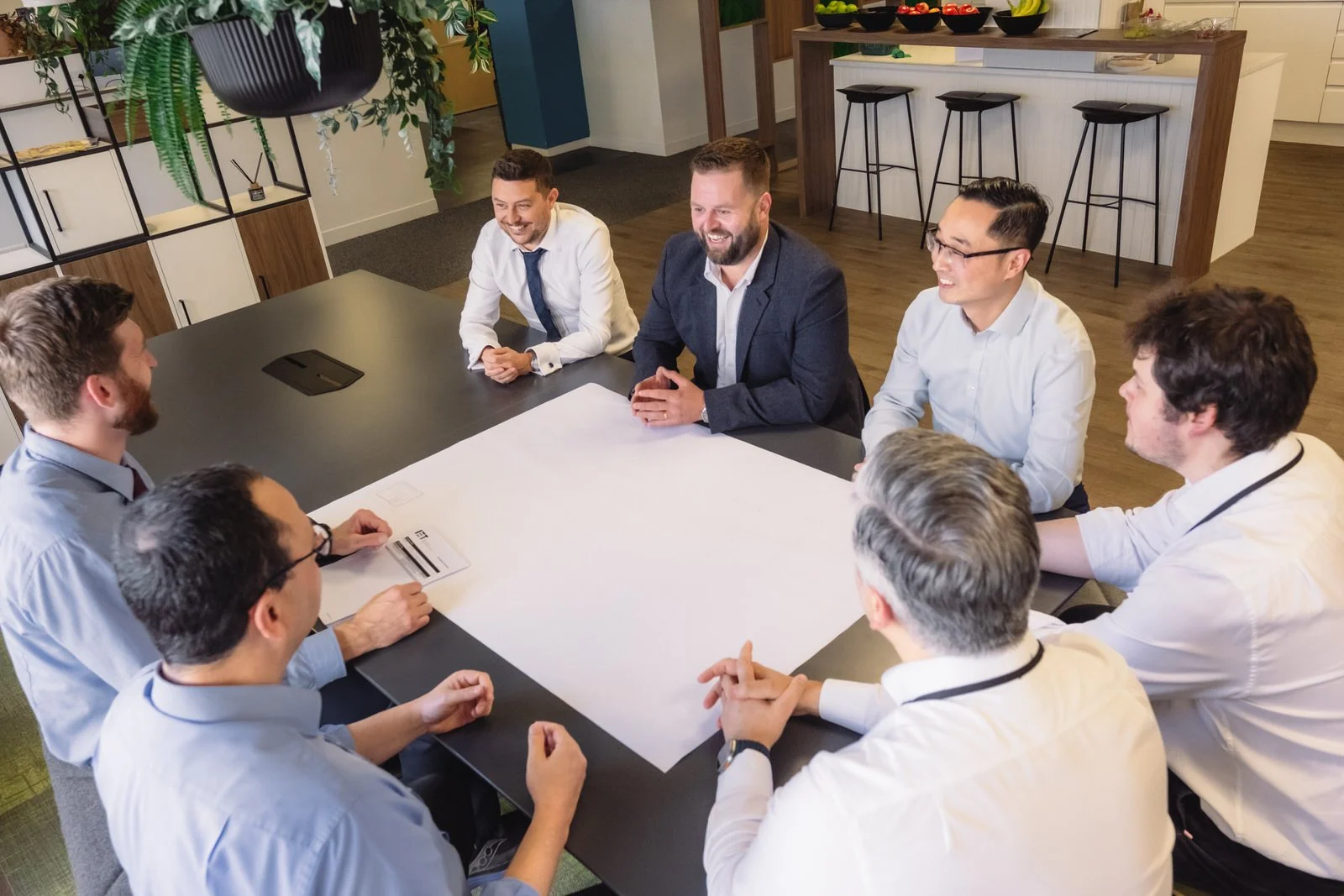
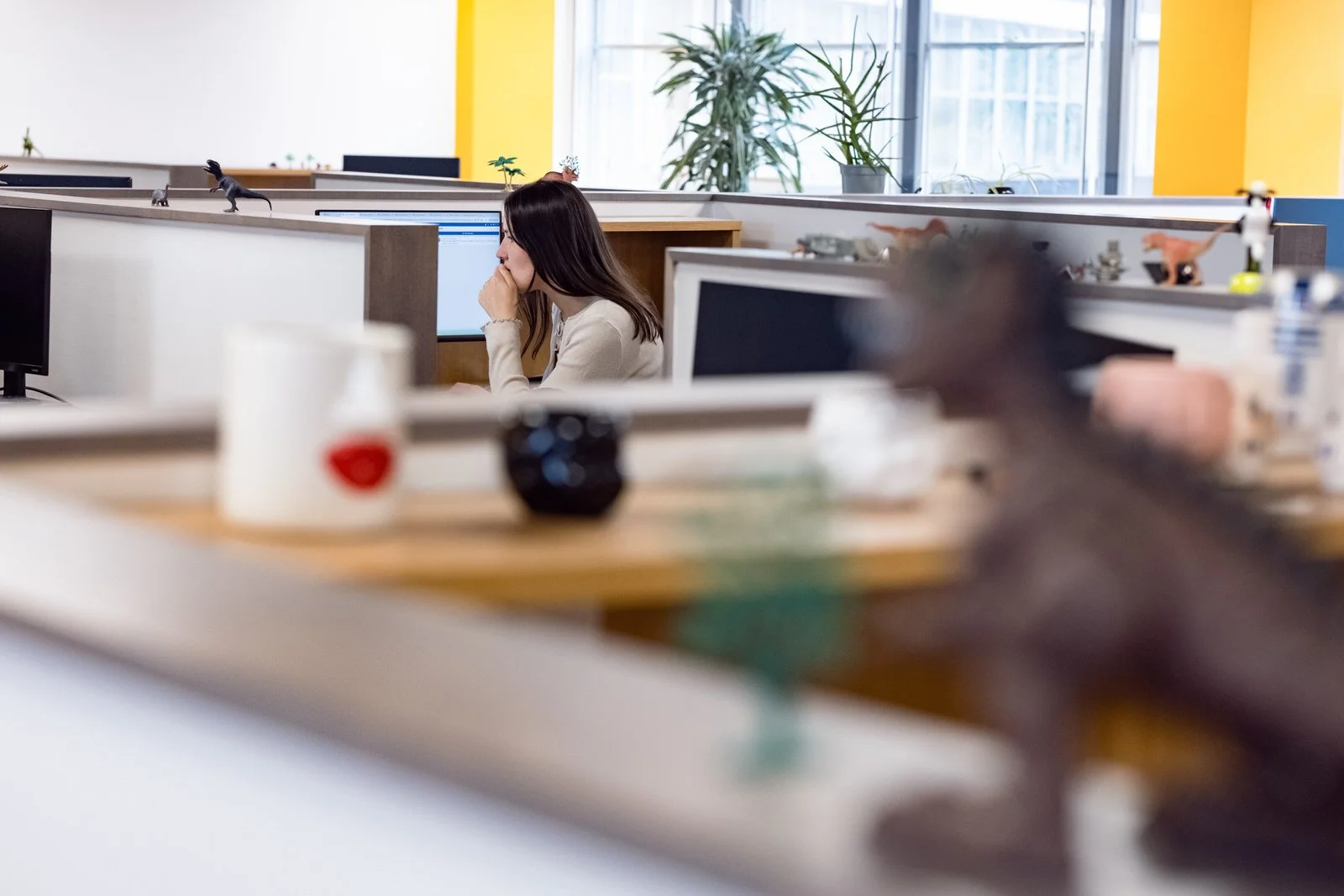
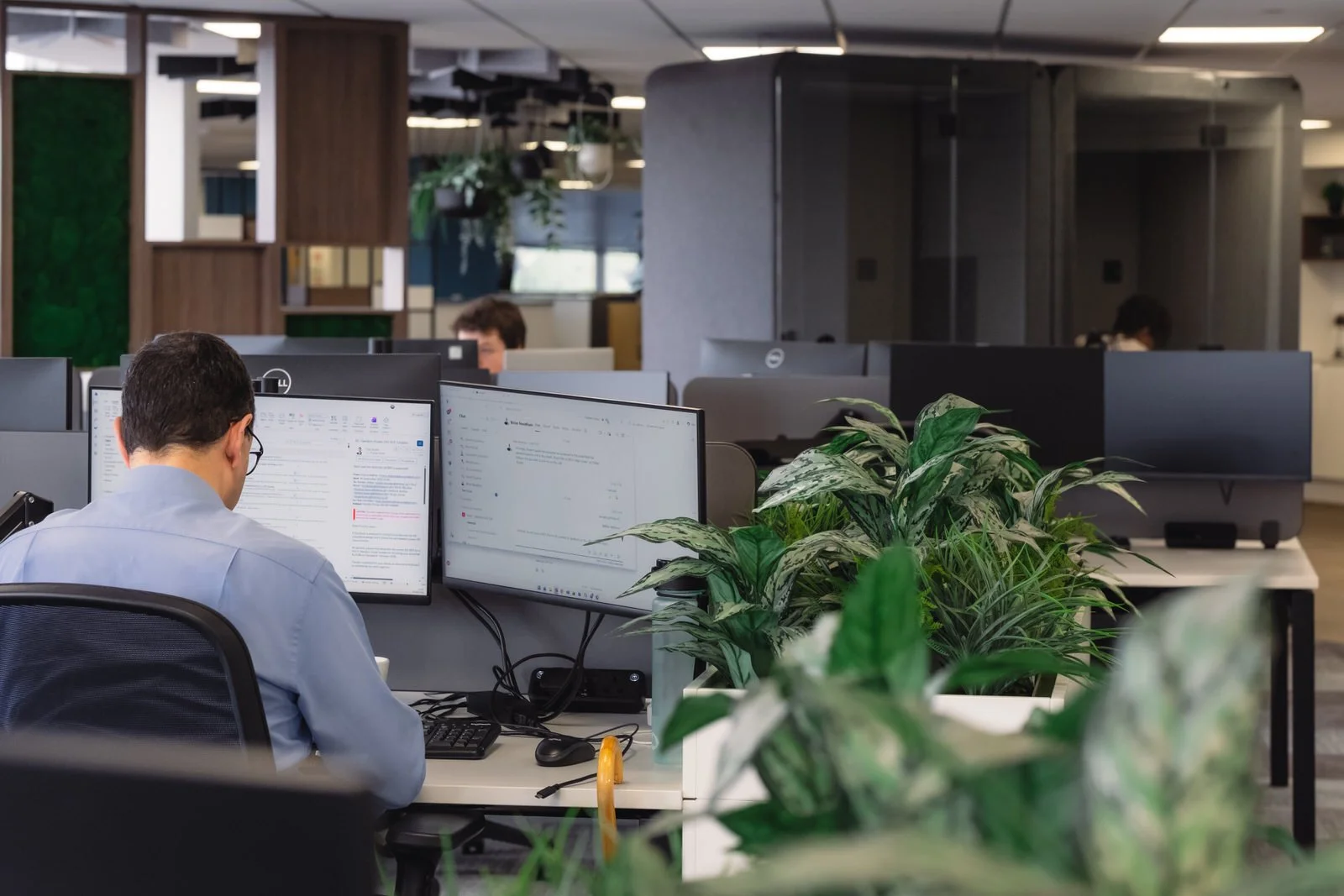
The afternoon was free for candid images. I moved around the office, staying out of people's way, just observing and documenting scenes. People at their desks, in meetings, getting on with things. Nobody was directed into position or asked to pose. I was just there to observe and make images.
By that second visit, people had really warmed to it. People were calling out ‘hope you’ve got my best side?’ as I walked past, which is great!
The bit that determines whether the images will get used
Most branding sessions don't fall flat because the images are bad. They fall flat because nobody thought about what the images were actually for.
I spent over 20 years as an art director, commissioning photography for brands including Nike, Coca-Cola, and Channel 4.
I've been on the receiving end of beautiful image folders that were, in practice, nearly impossible to use.
A portrait-format shot when the website needed landscape. No space left in the frame for a headline, twenty variations of the same posed headshot, and nothing showing what the business actually does.
The images that get used everywhere - on the website, in pitch decks, on LinkedIn, in recruitment materials - are the ones that were planned with a job in mind.
I think like a designer when I'm shooting, because I used to be one. That means leaving space in the frame for text, shooting in multiple crops and formats, and making sure there's a real mix of wide shots, close details, people, and process - so whoever needs an image has real options to choose from.
It also means being realistic about what the images are for. ‘Telling your story’ gets said so often it's almost lost its meaning, but in practice it's a simple test: does this image look like your business, or could it belong to anyone?
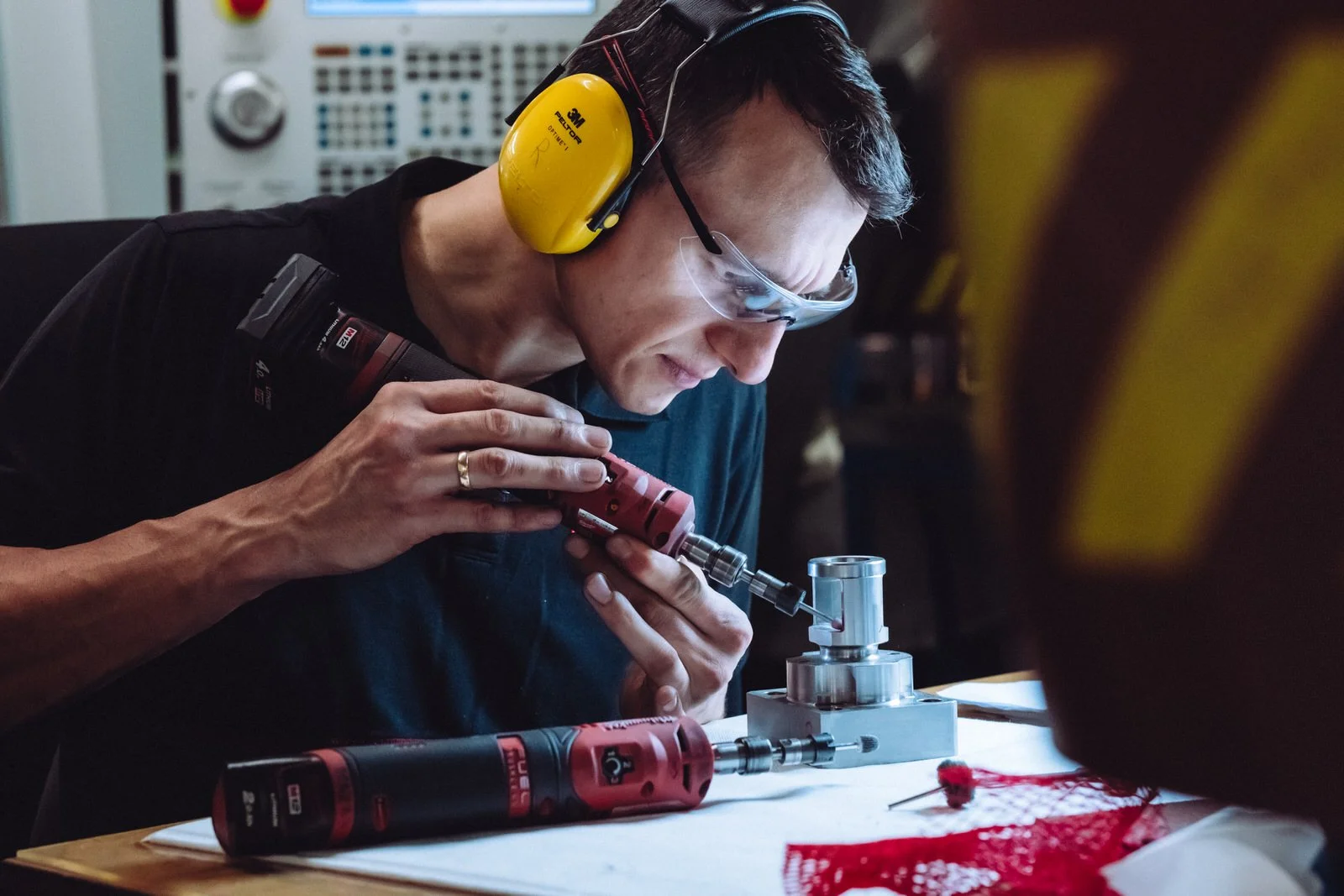
A posed shot of three people pointing at a laptop tells me nothing. Someone having a conversation about the thing they're passionate about with the environment and process to prove it tells me everything. Those are the images people come back to again and again.
Story-led brand photographer Yorkshire - detail documentary image showing craft and process
What about the staff who'd rather not be photographed?
"Half our staff will refuse." I hear some version of this on almost every call.
It's completely understandable. Most people don't love being photographed - I know that, and I plan for it. Nobody has to appear in a shot if they'd genuinely prefer not to. But in practice, once people realise they're just carrying on with their work rather than posing for something, they pretty much always relax, especially if they’re immersed in the thing they do best.
I send a briefing pack ahead of the shoot day, so everyone knows what to expect before I arrive. No surprises, no being pulled off the floor unexpectedly. Just a clear, calm sense of what the day involves.
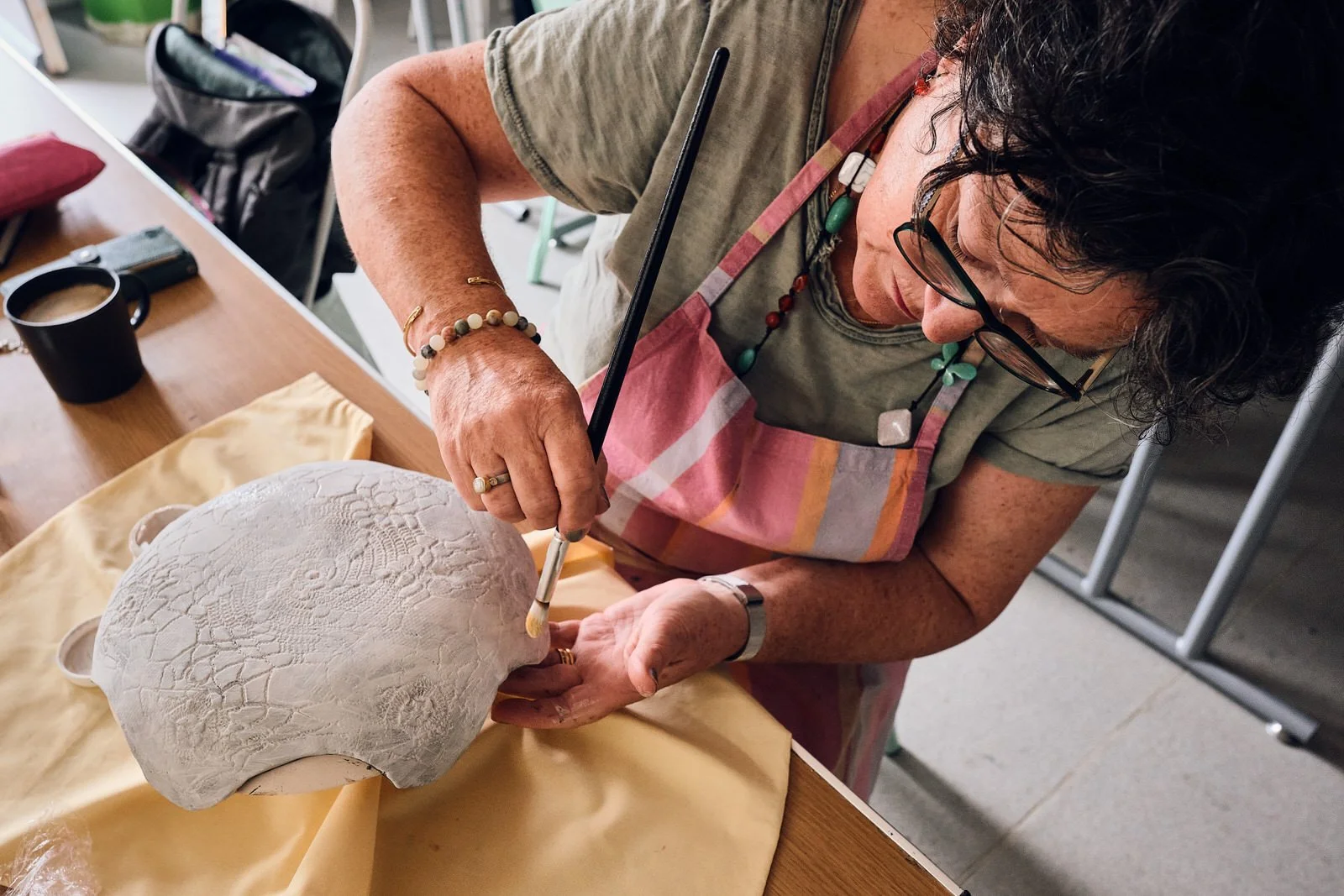
Some of the most reluctant people end up in my favourite images. When people forget the camera is there, the images get better. That's not a coincidence - it's the whole point of working in a documentary way.
Documentary brand photographer Leeds - natural portrait of staff member at work
What you actually end up with
People often say they need a hero shot for the website and a couple of images for the ‘meet the team’ page. What they actually get and need is a whole lot more.
A single image wears out fast. Once it has appeared on the website, in a LinkedIn post, and in a pitch deck, people stop noticing it. What most businesses actually need is several variations of each moment - different angles, wide and close, landscape and portrait, the environment, processes, people and expertise - so there are fresh options for every post and presentation without the same shot appearing everywhere.
That's what The Brand Story Library creates: a full visual library built around how the business actually works, planned with intention, and designed to be pulled from across every channel - website, social media, pitches, recruitment, PR - for months after the shoot day.
And the time it takes from you? Just one day. I handle the planning, the shot list, the organisation. Your job on the day is to show up and do what you do.
Ready to start the conversation?
If any of this sounds familiar - the outdated photographs, the content scramble before every deadline, the staff who aren't sure about the whole thing - I'd love to hear from you.
You don't need a perfectly formed brief. You don't need a tidy office or a team who are already enthusiastic. You just need to get in touch, and we'll work the rest out together.
Get in touch and we'll start with a conversation. No pressure, no complicated process - just a straightforward chat about where your business is and what your imagery needs to do for it.
